
Why Senior Pets Need More Vet Visits
If your dog or cat is entering their golden years, you might be tempted to think that fewer health problems mean fewer trips to the vet. In reality, the opposite is true. Senior pets need more frequent veterinary care, not less, because the risk of developing age-related health conditions increases significantly as animals grow older. Regular senior pet vet visits allow your veterinarian to detect early signs of disease, manage existing conditions more effectively, and keep your pet comfortable and thriving well into old age. If your older pet has been skipping annual or semi-annual checkups, now is the perfect time to learn why those visits matter more than ever.
When Does a Pet Become a Senior?
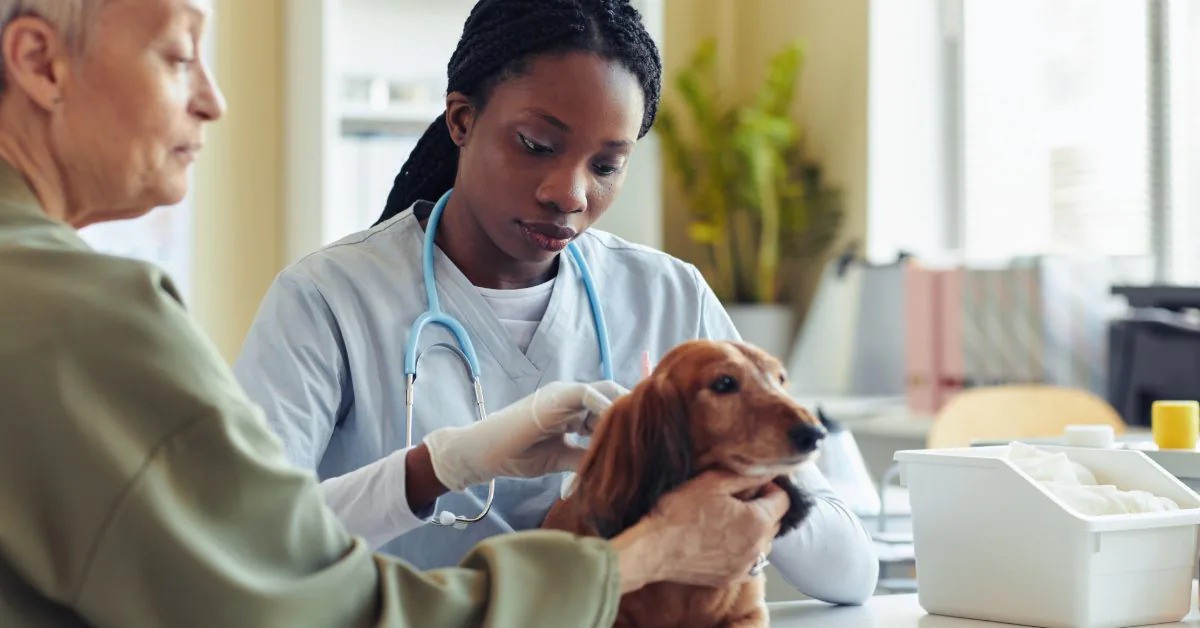
The age at which a pet is considered senior varies depending on species, size, and breed. Dogs are generally classified as seniors between the ages of seven and ten, with larger breeds aging more quickly than smaller ones. A Great Dane may be considered a senior at six years old, while a Chihuahua might not reach that status until ten. Cats typically enter their senior years around age ten to twelve, though indoor cats can live well into their late teens or twenties. Regardless of when your specific pet crosses into the senior category, the transition is a signal to move from annual wellness exams to more frequent checkups. Talking to your veterinarian about when to increase the frequency of care is an important step in proactive senior pet ownership.
Common Health Conditions That Affect Senior Pets
As pets age, they become more susceptible to a range of health conditions that can develop slowly and subtly. Many of these conditions are manageable when caught early, but they can cause significant suffering and long-term damage if left undetected. Senior pet vet visits include physical exams and diagnostic testing specifically designed to screen for these age-related issues. Understanding what your older pet may face helps you know what to watch for between visits and why professional monitoring is so essential.
Arthritis and Joint Disease
Arthritis is one of the most common conditions affecting senior dogs and cats, yet it is frequently underdiagnosed because pets naturally hide pain. Signs that your pet may be experiencing joint discomfort include reluctance to climb stairs, difficulty rising after rest, decreased activity, and changes in gait.
Your veterinarian can assess joint health during a physical exam and recommend appropriate pain management strategies, including medication, joint supplements, weight management, and physical therapy. Keeping arthritis well-managed significantly improves quality of life for older pets and allows them to remain active and comfortable.
Dental Disease
Dental disease is extremely common in senior pets and is often more advanced than it appears from the outside. Bacteria from infected gums and teeth can enter the bloodstream and affect the heart, kidneys, and liver, making oral health a whole-body concern. Many older pets experience significant pain from dental disease without their owners realizing it, simply because animals are hardwired to conceal discomfort.
Professional dental cleanings performed under anesthesia allow veterinarians to thoroughly evaluate and treat oral health in ways that at-home brushing cannot replicate. Your vet will assess your senior pet’s teeth at every exam and let you know when a cleaning is needed.
Kidney and Liver Disease
The kidneys and liver are two of the most commonly affected organs in aging pets, and both conditions often go undetected until significant damage has occurred. Blood and urine tests performed at senior wellness visits can catch early signs of kidney and liver dysfunction before clinical symptoms appear.
Early detection allows veterinarians to implement dietary changes, medications, or other interventions that slow disease progression and preserve organ function. Waiting for symptoms like excessive thirst, vomiting, or weight loss to appear before seeking veterinary care can mean losing the window for early intervention.
Thyroid Disease
Hypothyroidism is common in older dogs, while hyperthyroidism is one of the most frequently diagnosed conditions in senior cats. Both conditions affect metabolism and can lead to weight changes, energy level shifts, coat changes, and organ stress if unmanaged.
Thyroid screening is typically included in senior wellness blood panels, allowing veterinarians to catch these hormonal imbalances before they cause widespread effects. Both conditions are very manageable with the right treatment plan, and pets who receive timely care often see significant improvements in their comfort and energy levels.
Cancer
Cancer is one of the leading causes of death in older pets, and early detection is the single most important factor in improving outcomes. Lumps, bumps, unexplained weight loss, persistent coughing, changes in appetite, and unusual swellings should always be evaluated by your veterinarian rather than dismissed as normal aging.
During senior wellness exams, veterinarians thoroughly palpate your pet’s body and check lymph nodes and organ size to identify any abnormalities. When cancer is caught early, treatment options are more numerous and more effective.
How Often Should Senior Pets See the Vet?
Most veterinarians recommend that senior pets transition from annual wellness exams to biannual exams, meaning two visits per year. Because pets age much faster than humans, six months in a pet’s life is equivalent to several years in human terms, and a lot can change in that time. Biannual senior pet vet visits allow your veterinarian to compare exam findings over shorter intervals, making it easier to spot subtle changes that might be missed in a once-a-year schedule. In addition to physical exams, senior wellness visits typically include blood work, urinalysis, blood pressure monitoring, and sometimes imaging. Your veterinarian will recommend a schedule and diagnostic plan based on your specific pet’s age, breed, and existing health conditions.
Helping Your Senior Pet Age Gracefully
The years you share with a senior pet are precious, and giving them the best possible care during this stage of life is one of the greatest gifts you can offer. Regular senior pet vet visits, paired with attentive at-home monitoring and a wellness-focused lifestyle, give your aging companion the best chance of staying comfortable and healthy for as long as possible. At Southcentral Veterinary Services, we love caring for senior pets and helping their owners navigate the unique challenges and joys of this life stage. Call us at (270) 282-2564 or book a senior wellness appointment online today and let our team help you make the most of every moment with your older pet.
Share This
Recent Posts


About Southcentral Veterinary Services
Southcentral Veterinary Services is here to ensure that you and your pet can access a variety of high-quality, progressive medical services. Our aim is to serve our patients and clients with integrity, compassion, and a focus on being your primary family vet.