
Puppy Vaccine Schedule: What Shots Do Dogs Really Need?
Bringing a new puppy home is one of life’s most exciting milestones, and making sure your puppy gets the right vaccines at the right time is one of the most important things you can do for their long-term health. Puppy vaccines protect your dog against serious, potentially fatal diseases and help establish a strong immune foundation for life. If you have ever wondered which shots puppies really need, when they should receive them, and why the timing matters, you are in the right place. This guide walks you through the standard puppy vaccine schedule, explains what each vaccine protects against, and helps you understand why keeping up with your puppy’s shots is so critical in those first months of life.
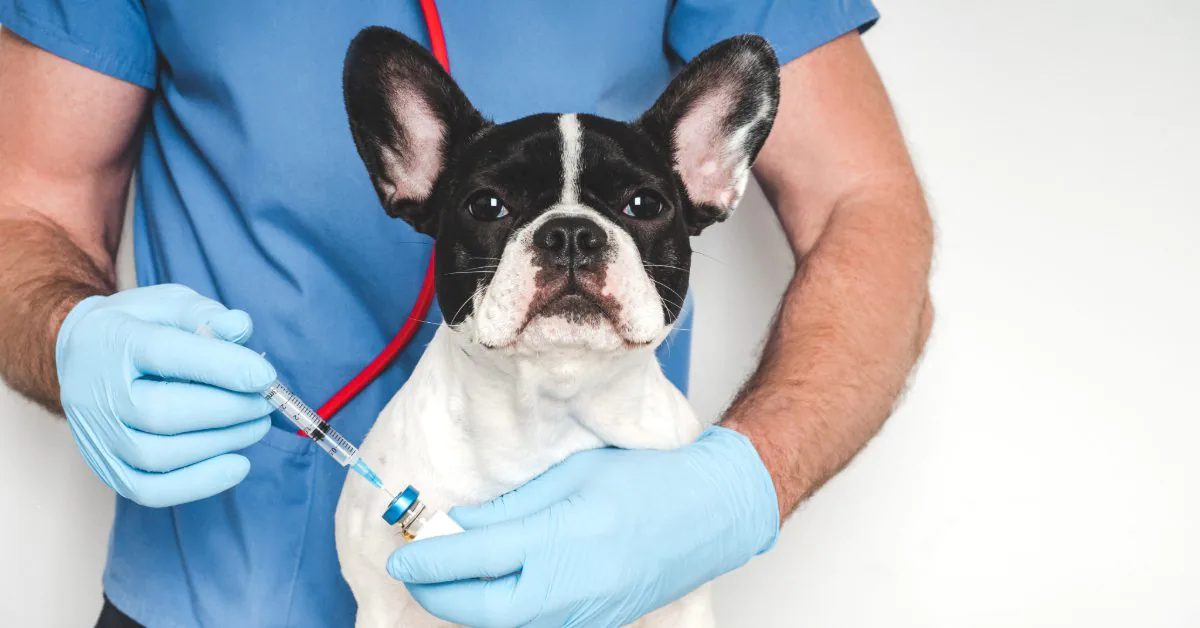
Why Puppy Vaccines Matter So Much
Newborn puppies receive some immune protection through their mother’s milk, particularly through the first milk called colostrum. However, this maternal immunity fades over time and is gone entirely by the time a puppy is about sixteen weeks old. This window between waning maternal immunity and the completion of a vaccine series is when puppies are most vulnerable to infectious diseases.
Vaccinations during this period train the immune system to recognize and fight specific pathogens without the puppy having to experience the actual disease. Diseases like parvovirus and distemper can be fatal in unvaccinated puppies, and they spread easily in environments where dogs congregate. Starting the puppy vaccine schedule on time and completing the full series is the best way to close this window of vulnerability.
Core Puppy Vaccines: What Every Dog Needs
Core vaccines are recommended for all puppies regardless of lifestyle or location. These vaccines protect against diseases that are highly contagious, pose serious health risks, or can be transmitted to humans. Your veterinarian will administer core vaccines at scheduled intervals, beginning as early as six to eight weeks of age. Following the recommended puppy immunization schedule is important because vaccines given too early or too late can compromise their effectiveness. Core puppy vaccines are typically given in a combination injection known as the DHPP or DA2PP vaccine, followed by a rabies vaccine administered separately.
Distemper
Canine distemper is a serious viral illness that affects a dog’s respiratory, gastrointestinal, and nervous systems. It spreads through airborne exposure and contact with infected animals and has no cure, making prevention through vaccination essential. Puppies that contract distemper face a difficult prognosis, and survivors may live with permanent neurological damage. Distemper is included in the combination DHPP vaccine that puppies receive in their early months. Staying current on boosters as your dog ages helps maintain long-term protection.
Parvovirus
Canine parvovirus is one of the most feared diseases in unvaccinated puppies, with mortality rates that can exceed 90% in untreated cases. The virus spreads rapidly through contact with contaminated feces and can survive in the environment for months. Infected puppies experience severe vomiting, bloody diarrhea, dehydration, and extreme lethargy. Treatment is intensive and expensive, and outcomes are not guaranteed. The parvovirus vaccine, included in the DHPP combination, is one of the most critical puppy shots your dog will receive.
Rabies
The rabies vaccine is not only essential for your dog’s health but is also required by law in most states, including Kentucky. Rabies is a fatal viral disease that affects the brain and nervous system and can be transmitted to humans. Puppies typically receive their first rabies vaccine between twelve and sixteen weeks of age, followed by a booster one year later, and then every one to three years depending on the vaccine type and local regulations. Keeping your dog’s rabies vaccine current is a legal requirement and a public health responsibility.
Non-Core Vaccines: What Your Puppy May Also Need
Non-core vaccines are recommended based on a puppy’s individual risk factors, lifestyle, and geographic location. Your veterinarian will help you determine which of these puppy vaccines are appropriate for your pet based on their specific circumstances. Dogs that spend time at boarding facilities, dog parks, groomers, or in contact with other dogs benefit most from these additional protections. Never skip a consultation with your vet when it comes to your puppy’s vaccine needs, as recommendations can change based on disease trends in your area.
Bordetella (Kennel Cough)
The Bordetella vaccine protects against one of the most common causes of infectious tracheobronchitis, or kennel cough, in dogs. This respiratory illness spreads easily in environments where dogs are in close proximity, such as boarding kennels, dog parks, and grooming salons. Most boarding facilities require proof of a current Bordetella vaccine before accepting a dog. The vaccine is available as an injection, nasal spray, or oral solution, and your vet will recommend the best option for your puppy. Annual or biannual boosters are typically recommended depending on your dog’s exposure risk.
Leptospirosis
Leptospirosis is a bacterial disease that can be transmitted through contaminated water and soil, and it poses a risk to dogs that spend time outdoors in wet or wooded environments. The disease can also be transmitted to humans, making vaccination particularly important for households with children or immunocompromised individuals. The leptospirosis vaccine is given as a two-dose initial series and followed by annual boosters. Your vet will help you assess whether your puppy’s lifestyle and environment make this vaccine a good fit.
Lyme Disease
For puppies living in or frequently visiting tick-prone areas, the Lyme disease vaccine offers an added layer of protection. The vaccine is given as a two-dose series initially, followed by annual boosters. It works best as part of a comprehensive tick prevention strategy that includes year-round tick preventatives and regular tick checks. Ask your veterinarian whether the Lyme vaccine is recommended given where you live and how much time your dog spends outdoors.
The Standard Puppy Vaccination Timeline
The typical puppy vaccine schedule begins at six to eight weeks of age and continues through sixteen weeks or beyond, depending on the vaccines involved. Combination DHPP vaccines are generally administered every three to four weeks during this period to account for the gradual decline of maternal immunity.
Boosters continue into adulthood to maintain lifelong protection. Your veterinarian will provide a personalized schedule at your puppy’s first visit and track all puppy vaccines in your pet’s medical record. Staying on schedule is just as important as getting started, so try to book appointments in advance to avoid gaps in coverage.
Give Your Puppy the Healthy Start They Deserve
Starting your puppy’s vaccine schedule on time sets the stage for a long, healthy life together. At South Central Veterinary Services, our team is here to guide you through every step of your puppy’s early health care, from the first combination vaccine to their annual boosters. We take the time to explain what each puppy shot protects against, answer your questions, and build a care plan that fits your puppy’s unique needs. Call us at (270) 282-2564 or book a puppy wellness appointment online today to get your new companion off to the best possible start.
Share This
Recent Posts


About Southcentral Veterinary Services
Southcentral Veterinary Services is here to ensure that you and your pet can access a variety of high-quality, progressive medical services. Our aim is to serve our patients and clients with integrity, compassion, and a focus on being your primary family vet.